Posts by:
nystrom
Sealant Waterproofing and Restoration Institute: Fall Meeting Recap and Industry Updates
The 2025 Fall Technical Meeting of the Sealant, Waterproofing, and Restoration (SWR) Institute was held on October 5–7 in Boston. This annual event brings together top professionals and companies from across the industry to meet, network, learn, collaborate and have some fun together.
Expansion Joint Fire Barriers: Essential for Building Safety and Code Compliance
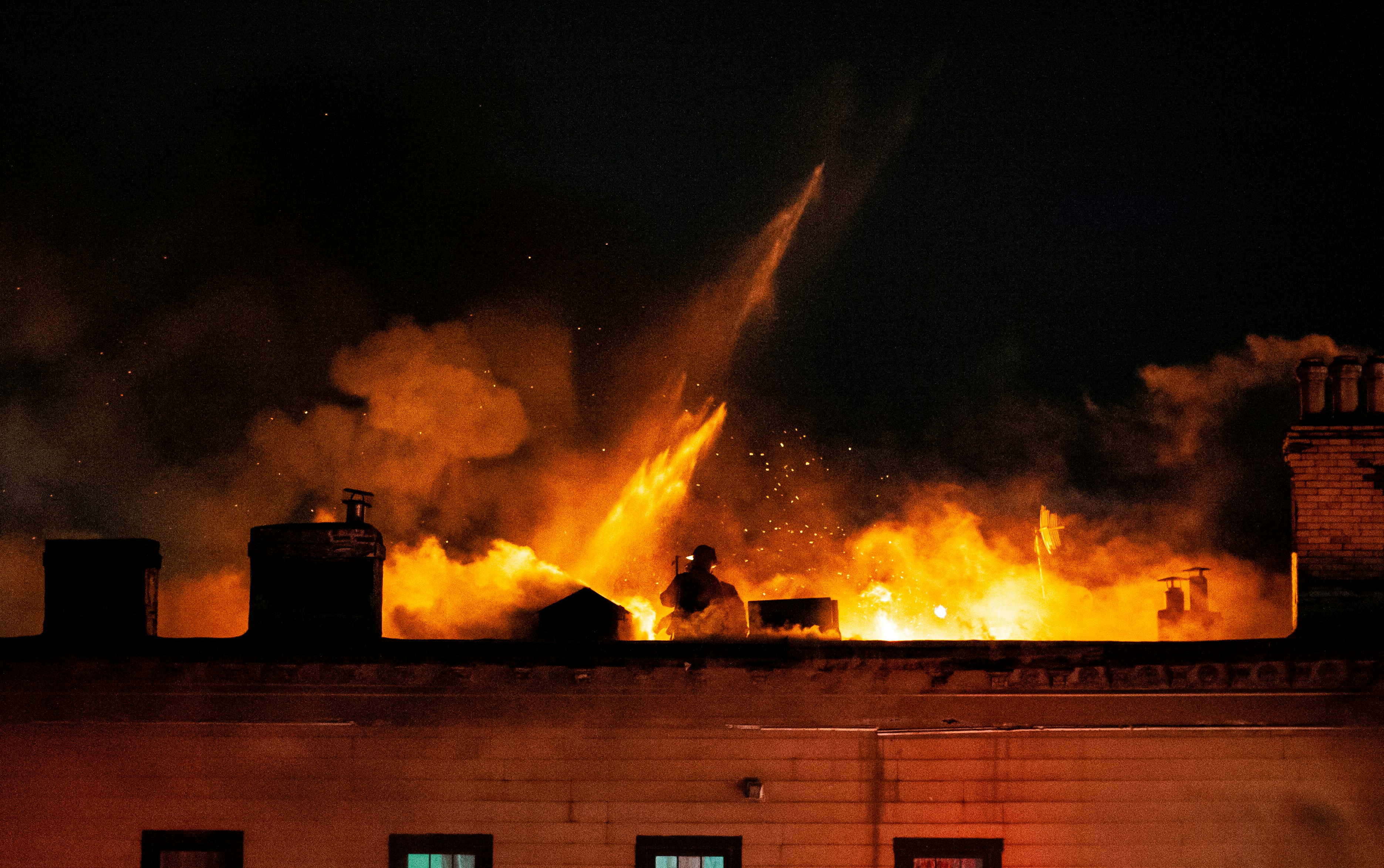
Fire protection is a critical part of any building design and expansion joint fire barriers play an essential role in that system. Architects must integrate these barriers to ensure occupancy safety and comply with modern construction codes.
Seismic Expansion Joints and Multi-Directional Movement: Design Considerations
One fundamental fact in construction is that the ground is always shifting. Modern architecture is designed to adapt and move along with these changes — that’s where seismic expansion joints enter the picture.
Best Practices for Parking Deck Expansion Joints: Installation, Maintenance and Winter Care
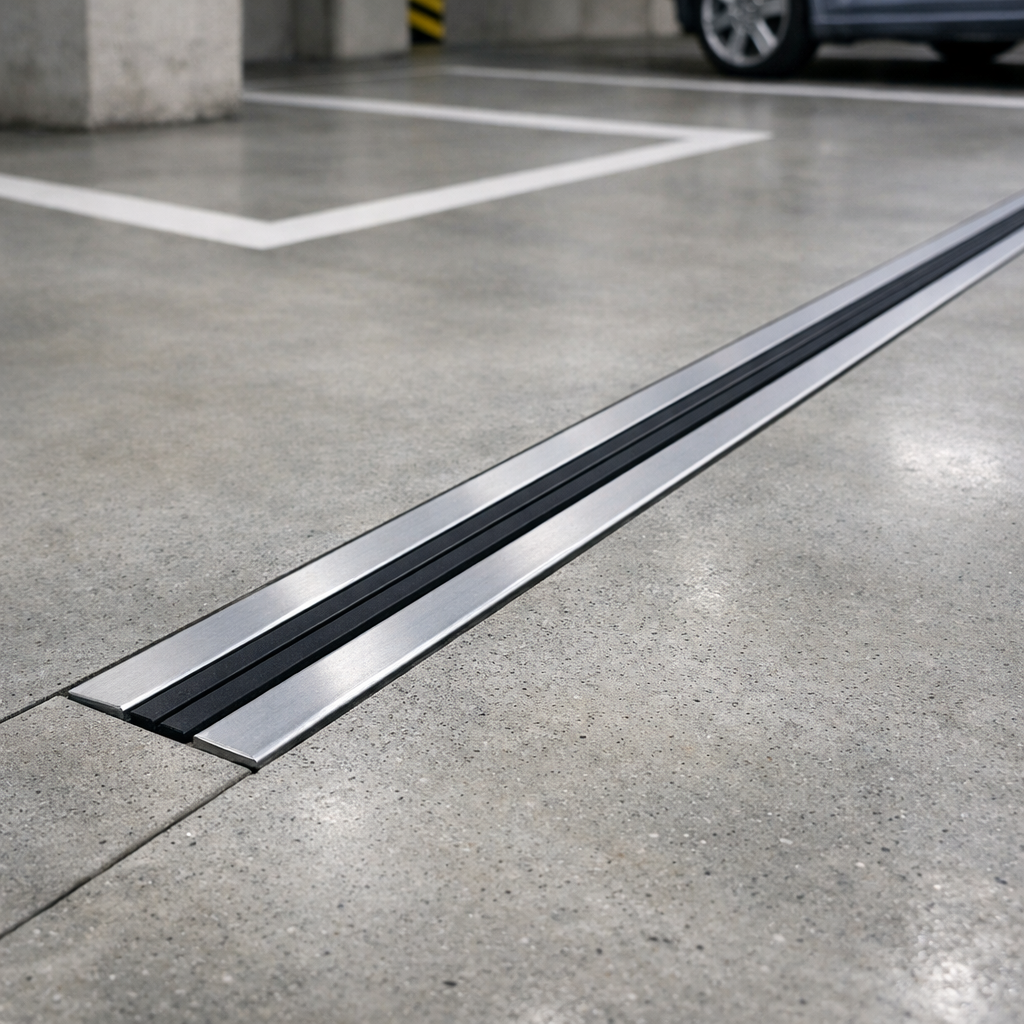
Day in and day out, parking structures battle traffic, weather and wear. Keeping them strong and secure requires a layered defense — beginning with thoughtful design and extending through waterproofing, deck coatings and well-maintained expansion joint covers and seals.
Expansion Joint Systems for Stadiums and Large Venues: Built for the Big Stage
When it comes to stadium design, expansion joints are essential. These massive, high-traffic structures endure constant stress from weight, weather and movement. Expansion joint covers and seals used in stadium applications are designed to absorb those forces, stand up to heavy foot traffic and help safeguard tens of thousands of people at once.
Roof Expansion Joints: Solutions for Weatherproofing and Movement
Roof expansion joints are essential to any roofing system, designed to absorb movement from thermal shifts, seismic activity and structural settling.
Safeguarding The Building Envelope: The Role of Expansion Joints in Exterior Systems
Expansion joints aren’t just a building necessity — they’re a design superpower. When used strategically, they become one of the most powerful tools architects and builders have for ensuring both resilience and performance in the building envelope.
3 Types of Fire-Rated Expansion Joint Systems
In most commercial buildings expansion joints are a fact of life. These joints are necessary to accommodate expected building movements due to thermal changes, wind sway and differential movement typically caused by seismic events. When these joints occur in a fire-rated floor or wall a product or system must be used that has been rated to that same level. This means if the joint occurs in a 2-hour rated floor assembly the expansion joint system used to fill the joint must also be rated for 2 hours. Per current building codes, these joint assemblies must be tested at an accredited testing agency such as Underwriters Laboratories or Intertek and be tested in accordance with ASTM E-1966 or UL 2079 test standards.
5 Considerations for Expansion Joint Moisture Barriers
Ensure compliance and long-term durability.
Ensuring effective moisture management in your building project is crucial, especially when it comes to expansion joints. Moisture infiltration poses a significant threat to the structural integrity of a building, making it imperative to implement proper drainage solutions. To guide you through this process, here are five key considerations you should keep in mind: