Quick Answer
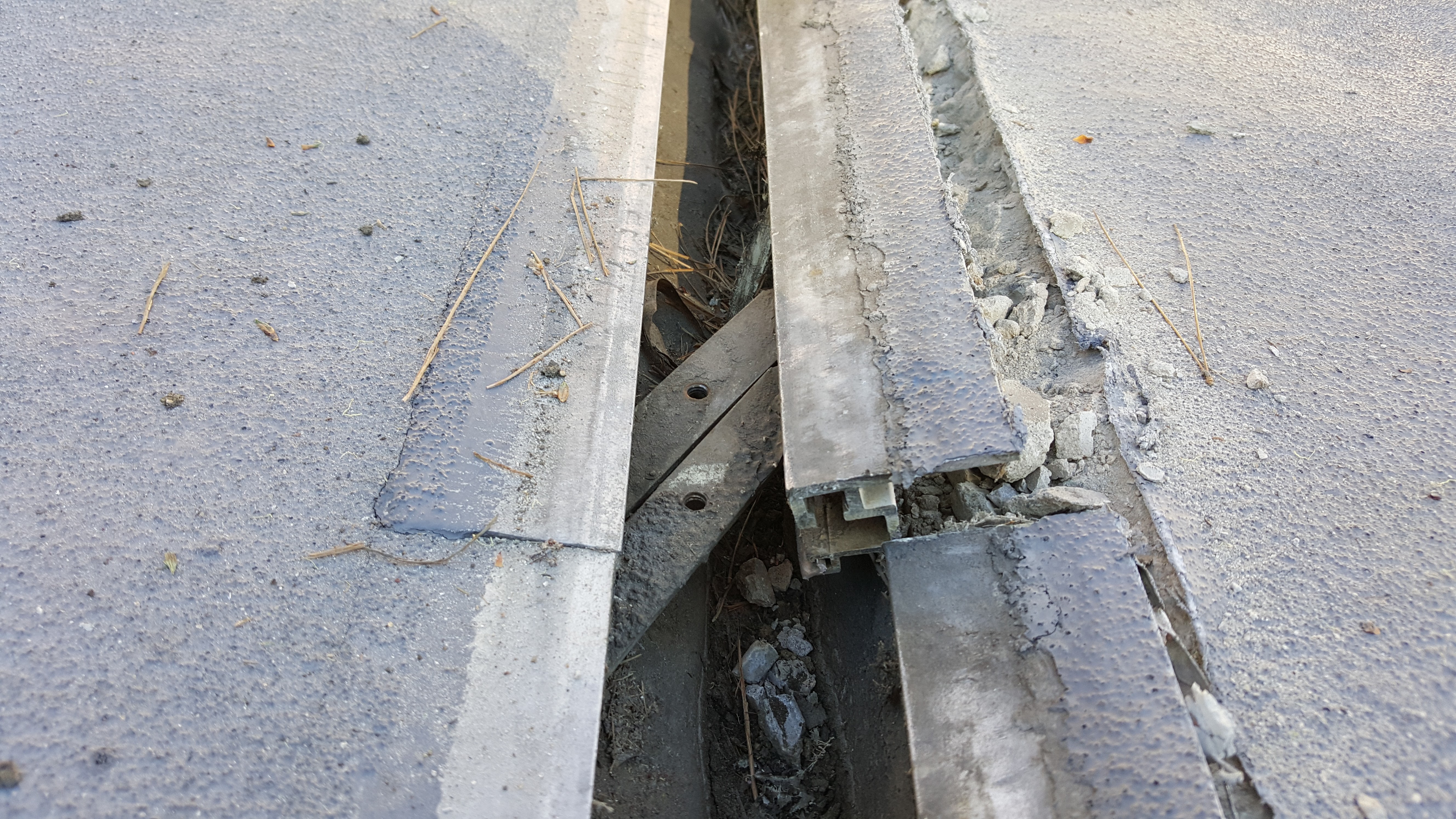
Parking garage expansion joint failure is one of the leading causes of water intrusion in parking structures. Once moisture enters through a damaged joint, it can lead to reinforcing steel corrosion, concrete cracking, spalling, waterproofing failures, safety concerns and expensive structural repairs. Regular inspections, proactive maintenance and high performance expansion joint systems can help extend the life of the structure and reduce long term costs.
The Most Expensive Parking Garage Problem You May Never See
Most parking garage owners worry about visible signs of deterioration such as leaking ceilings, cracked concrete and deteriorating deck surfaces. The problem is that many of these issues begin long before they become visible.
In many cases, the root cause can be traced back to a failing expansion joint.
Expansion joints are among the most important components in a parking structure. They allow the structure to move naturally as temperatures change and traffic loads shift throughout the day. At the same time, they help prevent water from entering areas where it can damage concrete, reinforcing steel and waterproofing systems.
Because expansion joints are often out of sight and out of mind, they typically receive attention only after problems arise. Unfortunately, by the time signs of distress become visible, significant damage may already be occurring beneath the surface.
The hidden cost of expansion joint failure is not simply replacing a worn seal. The real expense comes from the chain reaction of deterioration that follows.
What Does an Expansion Joint Actually Do in a Parking Garage?
Many property owners understand that expansion joints exist, but few fully appreciate their role in protecting an entire parking structure.
Expansion joints are engineered openings designed to absorb movement caused by:
- Temperature fluctuations
- Vehicle loading
- Structural deflection
- Building settlement
- Daily expansion and contraction cycles
According to Nystrom, parking deck expansion joints are specifically designed to accommodate vertical, horizontal and rotational movement while helping protect the structure from cracking, spalling and long term deterioration.
Some people ask, "Why can't the concrete simply handle movement on its own?"
The answer is that concrete is extremely strong in compression but relatively weak when subjected to movement and tensile forces. Without properly functioning expansion joints, stress builds throughout the structure. Over time, that stress can contribute to cracking, surface damage and premature deterioration.
Expansion joints provide a controlled way for a parking structure to move while continuing to protect critical structural components.
Why Does Water Intrusion Become Such an Expensive Problem?
Water is often the beginning of virtually every major parking structure deterioration issue.
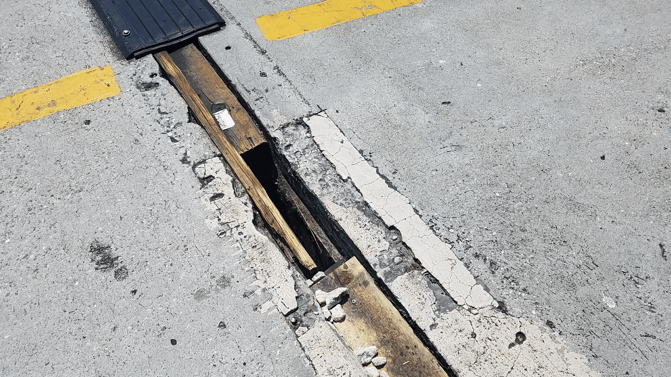
When an expansion joint begins to fail, even a small opening can allow water to penetrate below the surface. That water may originate from rain, snow, melting ice or moisture tracked into the facility by vehicles. Once inside the structure, it can migrate through concrete and reach reinforcing steel, post tensioning systems and other vulnerable components.
A common question is, "Can a small expansion joint leak really cause major damage?"
Absolutely.
What appears to be a minor leak today can create years of hidden moisture exposure. Water often travels beyond the original point of entry, affecting surrounding areas and expanding the damage footprint. The resulting deterioration may remain hidden until cracking, leaks or concrete failures become visible.
Once water enters the structure, owners may eventually face:
- Reinforcing steel corrosion
- Concrete cracking
- Delamination
- Surface scaling
- Spalling
- Waterproofing failures
- Structural weakening
Each of these problems brings additional repair costs and operational disruptions.
How Does Corrosion Develop After Expansion Joint Failure?
Corrosion is one of the most costly consequences of a failed expansion joint.
Parking garages are exposed to road salts and deicing chemicals throughout the winter season. Vehicles carry chlorides into the structure every day. If moisture enters through a compromised expansion joint, those chlorides can penetrate the concrete and eventually reach reinforcing steel.
Some facility managers ask, "Why is corrosion such a serious issue?"
When reinforcing steel corrodes, it expands. This expansion creates pressure within the concrete that surrounds it. As that pressure increases, concrete begins to crack and separate. Eventually pieces of concrete break away from the surface.
The deterioration process often follows a predictable pattern:
Stage One: Water and Chloride Intrusion
Moisture enters through a damaged expansion joint and carries chlorides into the concrete.
Stage Two: Corrosion Initiates
Reinforcing steel begins to corrode beneath the surface.
Stage Three: Concrete Cracks
Expanding steel generates pressure that creates visible cracking.
Stage Four: Delamination and Spalling
Concrete separates into layers and eventually breaks apart.
Stage Five: Major Repairs
Restoration often requires concrete replacement, corrosion mitigation, waterproofing improvements and structural rehabilitation.
A modest maintenance issue can rapidly evolve into a large capital project.
Are Parking Garages in Cold Climates at Greater Risk?
Yes.
Parking structures in northern climates often face a much harsher operating environment due to freeze thaw cycles and road salt exposure.
Why do freeze thaw cycles accelerate deterioration?
Water expands as it freezes. When moisture enters small cracks or damaged joints and temperatures drop, the expanding ice places additional stress on the surrounding concrete. Repeated freeze thaw cycles can enlarge cracks and create new pathways for water infiltration.
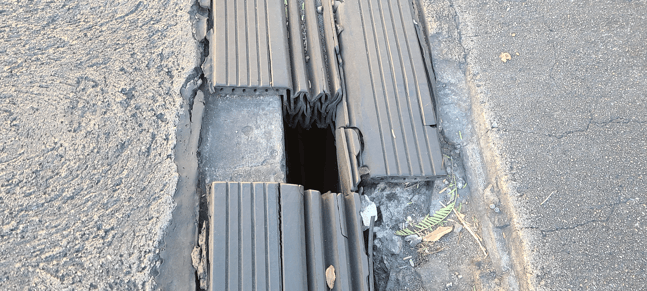
At the same time, vehicles continue introducing chloride contaminated moisture into the garage. The combination of water infiltration, freezing temperatures and corrosive salts creates an ideal environment for rapid deterioration.
This is one reason routine winter inspections are so important for parking structure maintenance programs.
How Expansion Joint Failure Reduces the Life of Your Parking Structure?
Most parking garages are designed with long service life expectations.
However, achieving those expectations requires protecting the structure from moisture and corrosion.
Some owners ask, "Can a failing expansion joint actually shorten the life of an entire garage?"
The answer is yes.
Expansion joints function as a protective barrier throughout the facility. When they fail, multiple components become vulnerable to deterioration at the same time. Water intrusion can affect deck surfaces, reinforcing steel, waterproofing systems and structural elements across large sections of the structure.
Over time, owners may experience:
- Accelerated concrete deterioration
- Increased corrosion activity
- More frequent repairs
- Waterproofing system failures
- Reduced structural performance
As deterioration spreads, the expected service life of the structure may be significantly reduced.
What could have been decades of reliable service may instead become a cycle of recurring repairs.
The Revenue Impact Most Owners Fail to Consider
Repair costs often receive the majority of attention. However, indirect costs can be equally damaging.
Some property owners ask, "How does expansion joint failure impact profitability?"
When major repairs become necessary, portions of the garage often need to be shut down. In severe cases, entire levels may be closed for restoration work.
Reduced capacity can lead to:
- Lost parking revenue
- Customer frustration
- Tenant complaints
- Reduced facility access
- Traffic congestion
- Scheduling disruptions
For airports, hospitals, universities, commercial developments and mixed use facilities, parking availability directly affects operations and customer satisfaction.
The hidden financial impact frequently extends far beyond construction costs.
What Are the First Signs of Expansion Joint Failure?
Timely identification of expansion joint deficiencies is critical to preventing moisture intrusion, minimizing maintenance costs, and avoiding more extensive structural repairs. During routine inspections, facility managers, consultants and maintenance personnel should evaluate the entire expansion joint assembly and adjacent substrates for signs of deterioration.
Common indicators that an expansion joint system may require further evaluation include:
Visible Cracking or Deterioration
Cracking, tearing, hardening or deterioration of seals, covers, headers or adjacent concrete may indicate movement-related distress, material aging or loss of system integrity.
Joint Separation or Loss of Seal Continuity
Separation between seal materials, cover assemblies, headers or surrounding concrete can create direct pathways for water and chloride intrusion.
Water Leakage or Evidence of Moisture Migration
Active leaks, damp surfaces, staining or moisture accumulation on lower levels often indicate a compromised expansion joint system or associated drainage components.
Corrosion and Rust Staining
Rust staining on concrete surfaces, steel supports or adjacent structural elements may indicate ongoing moisture infiltration and corrosion of embedded reinforcement or structural components.
Efflorescence
The presence of white mineral deposits on concrete surfaces is often evidence of prolonged moisture migration through the structure and may signal a waterproofing or expansion joint deficiency.
Concrete Delamination and Spalling
Cracked, delaminated or spalled concrete adjacent to expansion joints frequently indicates long-term moisture exposure, reinforcing steel corrosion or freeze-thaw deterioration.
Damaged Components and Drainage Systems
Loose hardware, damaged edge rails, deteriorated headers, clogged drain tubes, failed moisture barriers or compromised drainage troughs can significantly reduce system performance and should be addressed promptly.
Early recognition and correction of these conditions can help preserve structural integrity, reduce lifecycle costs and prevent localized deficiencies from developing into major restoration projects.

The True Cost of Deferred Maintenance
Many facility managers face competing budget priorities.
Unfortunately, postponing expansion joint repairs often leads to substantially higher costs later.
Some facility managers ask, "How much can deferred maintenance actually cost?"
While every project differs, the general pattern remains consistent. Early repairs focus on correcting localized issues. Deferred maintenance often results in widespread deterioration requiring significantly larger restoration projects.
Instead of repairing a damaged seal, owners may find themselves paying for:
- Concrete restoration
- Rebar replacement
- Corrosion mitigation
- Waterproofing replacement
- Drainage improvements
- Structural rehabilitation
Industry experts consistently emphasize that early intervention is one of the most cost effective strategies available to parking structure owners.
Best Practices for Prevention
Preventing expansion joint failure is significantly more cost effective than repairing the resulting damage.
According to Nystrom, proper installation, routine maintenance and seasonal care play critical roles in preserving parking deck performance and longevity.
Some property owners ask, "What are the best practices for preventing expansion joint deterioration?"
The most effective approach combines regular inspections, proactive maintenance and prompt repairs. Waiting until visible damage appears often means water has already penetrated the structure and deterioration is underway.
Conduct Regular Inspections
Routine inspections help identify small issues before they become major problems.
How often should expansion joints be inspected?
According to industry standards and some manufacturer’s the frequency of expansion joint inspections depends on factors such as traffic volume, environmental exposure, climate conditions and the overall condition of the parking structure. As a best practice, expansion joints should be evaluated regularly as part of a comprehensive maintenance program, particularly following severe weather events or winter seasons where deicing salts and freeze-thaw cycles can accelerate deterioration.
For most parking structures, annual inspections are recommended to identify early signs of wear, water infiltration, seal damage, concrete deterioration or other conditions that could compromise performance. In many cases, annual inspections are also required to maintain manufacturer warranties and help maximize the service life of the expansion joint system.
Integrate Expansion Joints with Waterproofing Systems
Expansion joints should function as an integral part of a parking structure's moisture management strategy, not as standalone movement devices. Properly designed joint systems must work in conjunction with waterproofing membranes, deck coatings, drainage systems and sealants to prevent water and chloride intrusion. When these systems are properly integrated, they help protect structural components from corrosion, concrete deterioration and costly long-term repairs.
Can waterproofing alone prevent parking garage leaks?
No.
Even the best waterproofing system cannot deliver maximum performance if water enters through a compromised joint. Expansion joints and waterproofing systems must work together to protect the structure from moisture intrusion.
Address Small Problems Immediately
Minor issues rarely remain minor for long. A loose fastener, damaged seal, clogged drain tube, deteriorated header material or worn expansion joint component may seem insignificant today, but can quickly develop into a pathway for water intrusion and more extensive structural deterioration.
Effective maintenance programs should evaluate the entire expansion joint assembly—not just the visible seal or cover plate. Hardware, anchorage systems, edge rails, header materials, moisture barriers, drainage troughs, drain tubes and secondary waterproofing components should all be routinely inspected and maintained. Damage or deterioration to any of these elements can compromise the performance of the entire system.
By identifying and addressing small deficiencies early, owners can often perform relatively simple repairs that help prevent water infiltration, corrosion, concrete spalling, and costly restoration work. Proactive maintenance not only extends the service life of the expansion joint system, but also helps protect the long-term integrity and value of the parking structure itself.
Can a small joint defect really turn into a major repair project?
Yes.
Even a small opening in an expansion joint system can allow water and chlorides to penetrate the structure over time. Left unaddressed, this moisture intrusion can lead to reinforcing steel corrosion, concrete cracking, spalling and progressive structural deterioration. Addressing minor deficiencies early is almost always far less costly than undertaking major restoration or structural repair work later.
Pay Attention During Winter
Winter places extraordinary stress on parking structures and their expansion joint systems. Snow, ice, freeze-thaw cycles, and deicing salts can accelerate deterioration and expose weaknesses that may go unnoticed during milder seasons. Water that penetrates damaged joints can freeze and expand, worsening cracks and creating additional pathways for moisture intrusion. At the same time, chlorides carried into the structure by vehicles can accelerate corrosion of reinforcing steel and other embedded components. Parking structure owners should pay particular attention to expansion joints before, during and after winter months, ensuring that seals, covers, drainage systems and associated components remain in good condition and capable of protecting the structure from moisture-related damage.
Does the Quality of the Expansion Joint System Matter?
Absolutely.
Not all expansion joint systems are created equal. On many older parking structures, the original expansion joint system may not have been designed to accommodate current traffic volumes, loading conditions, environmental exposure or long-term maintenance requirements. In other cases, the wrong product may have been selected for the application, resulting in premature wear, water infiltration or ongoing maintenance challenges.
It is common during parking structure evaluations to find expansion joint systems that are undersized, improperly detailed, incorrectly installed or simply not suited for the demanding conditions they are expected to endure. Parking structures subject expansion joints to a unique combination of vehicular traffic, thermal movement, moisture, freeze-thaw cycling, deicing salts, UV exposure and chemical attack.
A high-quality expansion joint system should be engineered specifically for parking structure applications, providing the appropriate movement capability, durability, waterproofing performance and resistance to environmental exposure. Selecting the right system from the outset—and ensuring it is properly installed and maintained—can significantly reduce lifecycle costs and help protect the long-term integrity of the structure.
Some owners ask, "Is there really a difference between expansion joint systems?"
Yes.
Parking structures require systems capable of accommodating movement while handling constant vehicular traffic and environmental exposure. Selecting the wrong system can result in premature wear, increased maintenance requirements and reduced waterproofing performance.
Nystrom offers heavy duty parking deck expansion joint systems specifically engineered for parking facilities and low speed vehicular traffic applications. These solutions are designed to accommodate movement while maintaining long term performance in challenging environments.
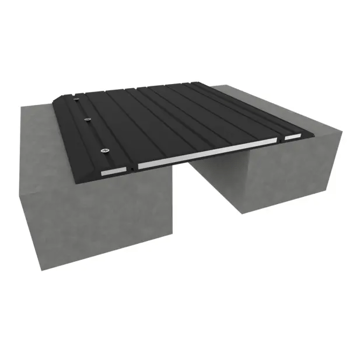 The EJN-RCP is a durable, high-performance hinged cover plate expansion joint system engineered to deliver exceptional load-carrying capacity, pedestrian safety and acoustic performance. Designed for demanding commercial, institutional, transportation and parking structure applications, the EJN-RCP provides a secure, stable walking surface while accommodating thermal, seismic and structural movement.
When evaluating expansion joint options, owners should consider:
- Expected movement
- Waterproofing performance
- Vehicle load requirements
- Freeze thaw durability
- Maintenance accessibility
- Lifecycle costs
A higher quality system often delivers significant long term value through reduced maintenance and improved structural protection.
Frequently Asked Questions
What causes parking garage expansion joints to fail?
Expansion joints commonly fail due to age, environmental exposure, traffic loading, freeze thaw cycles, ultraviolet degradation and inadequate maintenance. These factors gradually weaken seals and protective components, allowing water to enter the structure.
Why is water intrusion so damaging to parking garages?
Water intrusion allows moisture and chlorides to reach reinforcing steel. This can initiate corrosion, cracking, delamination and concrete deterioration throughout the structure.
What are the warning signs of expansion joint failure?
Common warning signs include missing expansion joint components, cracked seals, joint separation, water leaks, rust staining, efflorescence, standing water and concrete spalling near the joint.
How often should parking garage expansion joints be inspected?
Expansion joint systems should be evaluated on a routine basis and no less than annually as part of a comprehensive parking structure inspection and maintenance program. Supplemental inspections should be performed following significant weather events and at the conclusion of winter seasons to assess the effects of moisture exposure, freeze-thaw cycling and chloride contamination. Regular inspections can help identify deficiencies early, extend service life and reduce long-term maintenance and restoration costs.
Can expansion joint failure shorten the lifespan of a parking structure?
Yes. Failed joints accelerate moisture intrusion, corrosion and concrete deterioration, potentially reducing the structure's service life and increasing future repair costs.
What is the most cost effective way to prevent expansion joint failure?
The most cost-effective strategy combines routine inspections, proactive maintenance, prompt repairs, proper integration with waterproofing systems, seasonal maintenance and the use of high-quality expansion joint systems specifically designed for parking structure applications. Owners and facility managers should also work closely with experienced expansion joint manufacturers and qualified industry professionals who can help evaluate existing conditions, recommend appropriate solutions, and ensure products are properly specified for the structure's movement, traffic, environmental exposure, and performance requirements. A proactive approach focused on inspection, maintenance, and proper product selection is almost always less expensive than addressing the consequences of water intrusion, corrosion, concrete deterioration, and major restoration work after a failure occurs.
Nystrom is Here to Help
The hidden cost of parking garage expansion joint failure extends far beyond the joint itself.
What begins as a small seal problem can evolve into water intrusion, corrosion, concrete deterioration, safety hazards, lost revenue and major structural repairs. In many cases, the damage remains hidden until repair costs become substantial.
Expansion joints may represent a relatively small portion of a parking structure's construction budget, but they play a critical role in protecting the entire facility. Proper inspection, maintenance and timely replacement can help extend service life, improve safety, reduce lifecycle costs and preserve parking revenue.
For facility managers, engineers and property owners, proactive expansion joint maintenance is not simply a maintenance task. It is a long term investment in the health, performance and profitability of the entire parking structure.
The Nystrom expansion joint team is here to help with any questions about your next expansion joint project or restoration.